
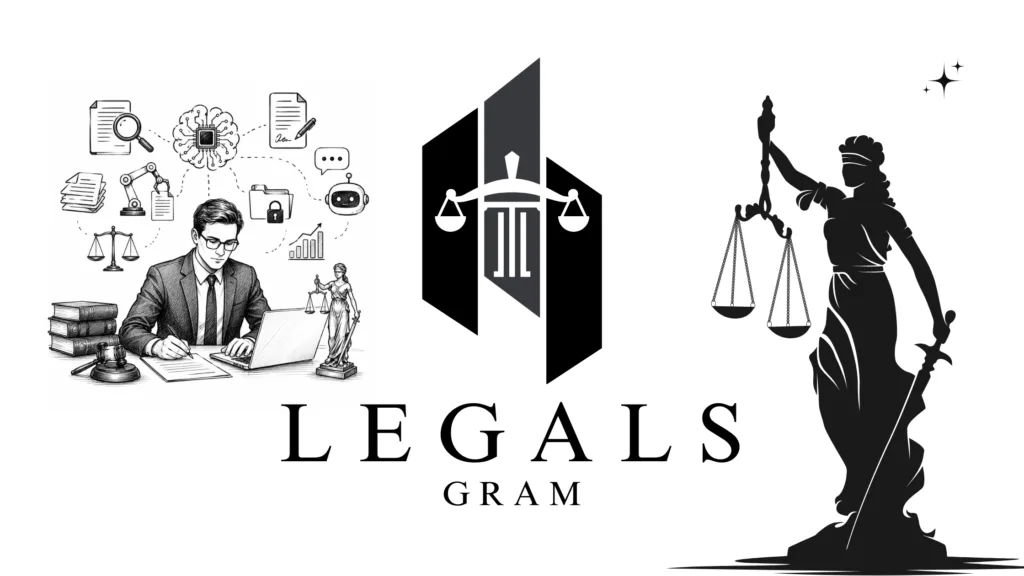
AI drafting and legal research tools are transforming the legal profession by replacing time-consuming manual tasks that cost law firms millions of dollars every year. From drafting contracts and legal briefs to analyzing case law and reviewing documents, AI drafting solutions help lawyers work faster, reduce errors, and improve accuracy. Today, these powerful tools enable law students, solo practitioners, and established law firms to handle more cases efficiently, increase productivity, and boost profitability while delivering better client service.
Legal AI Drafting Tools Cut Hours to Minutes
Historical Legal investigation was associated with sleepless nights in law libraries. Today, thousands of cases are scanned by the AI research tools in a blink. Westlaw Edge and LexisNexis+ deploy AI to uncover the right case even quicker than a human researcher will.
Such platforms do not only search keywords. They know legal terminology and discover similar facts cases even in the times that the words are contained differently. In a matter of few seconds, a personal injury lawyer can feed in case information and find corresponding precedents.
Thomson Reuters reports that legal AI drafting saves lawyers 23% of their research time. That means more billable hours for client work and higher profits per case.
Document Review Gets 90% Faster
AI sheds the lightest in contract review. Aisles such as Kira Systems and eBrevia scan through contracts and identify issues that fail to be caught through the human eye. They raise flags of strange clauses, terms that are absent and possible risks.

Artificial intelligence is applied to due diligence in big law firms in mergers. AI does the heavy lifting and instead of senior lawyers reviewing documents, AI does them. McKinsey discovered that AI cuts down the process required to review documents by 90 percent.
This evens the field against solo practitioners. Giant teams needed to conduct large document reviews but now, things have changed and large document reviews can be undertaken by small firms.
Legal AI Drafting Assistants Draft Better Briefs
The practice of writing legal documents requires talent and time. AI-based writers assist practicing attorneys in drafting superior motions, contracts, and briefs. Harvey AI and CoCounsel help to improve language and spot catch format.
These instruments are not a substitute to legal judgment. They will do the regular drafting, but the lawyers take the big picture thinking. The standard sets of custody agreements that a divorce attorney can come up with only in several minutes can be personalized to suit every client properly.
Practical Law from Thomson Reuters uses AI to create first drafts of common legal documents. Lawyers report 40% faster drafting times with fewer errors.
Case Prediction Software Changes Strategy
AI now predicts case outcomes based on judge history, case facts, and past decisions. Lex Machina analyzes litigation data to show win rates for specific judges and case types.
Personal injury lawyers use this data to decide whether to settle or go to trial. If AI shows a 20% win rate with a particular judge, settlement becomes more attractive.
Premonition tracks judge decisions and lawyer performance. This helps law firms choose the best attorney for each case type and venue.
Client Communication Gets Automated
Clients lose in law firms because of poor communication. Client basic questions are replied to 24/7 through AI chatbots nowadays. They also arrange meetings, offer a case update, and respond to billing inquiries.
DoNotPay started as a parking ticket bot but now handles various legal tasks. While not replacing lawyers, it shows how AI can handle routine client interactions.
Smart law firms send automatic case updates and deadlines reminders and use AI. Customers become more aware, and lawyers do not have to waste time by making normal visits.
Billing and Practice Management Becomes Effortless
AI will follow the time automatically and propose billing descriptions. Clio and MyCase employ the AI concept to sort expenses, as well as issue invoices without data entry.

These systems are trained upon the billing patterns of every firm. They eye unbilled time and propose charge rates pegged on the complexity of the task. According to small firms, collections in percent increase by 15 percent once AI billing tools are integrated.
The Bottom Line for Legal Professionals
Artificial intelligence does not substitute lawyers, not does it make them weaker. Effective lawyers employ AI to perform a repetitive operation and concentrate on customer relations and the intricate planning of the lawsuits.
Law firms using AI drafting tools report:
- 30% faster case preparation
- 25% higher profit margins
- 40% better client satisfaction scores
- 50% less time on administrative tasks
It is a rapidly changing law profession. The law profession is no exception once lawyers embrace the use of AI applications now, they will control their markets. The waiters will not be able to compete well on speed and cost. Ready to transform your practice? Pick one AI drafting tool in your busiest practice area and start with it. Monitor the reduction of time and multiply the same. Your customers will feel it and your profitability will appreciate.
Frequently Asked Questions:
Can AI do legal drafting?
Yes, AI can write first drafts of contracts, notices, and simple agreements. But it cannot replace a lawyer. It does not know your case facts, your local laws, or the small details that decide a case in court. Always get a lawyer to check an AI draft before you use it.
Which AI is best for legal drafting?
There is no single best option. General tools like ChatGPT and Claude handle simple drafts and research fine. Tools built for law, like Harvey, Spellbook, and CoCounsel, carry more legal training and suit law firms better. Your pick comes down to your budget and how complex your documents are.
What are the risks of using legal AI?
Wrong information is the biggest one. AI sometimes invents case laws or sections that do not exist, a problem lawyers call hallucination. It can also miss local rules or hand you generic advice that does not fit your case. Then there is privacy. Some AI tools store what you type in, which is a real concern with client data. Get a lawyer to check any AI-made legal content before you rely on it.
What is the 30% rule in AI?
It is not an official law, just a guideline people use to split work between AI and humans. AI takes on roughly 70% of a task, things like research or a first draft. The last 30%, the part that needs judgment and a final check, stays with a person. In legal work, that means AI can draft or research, but a lawyer signs off before it goes out.
LegalsGram provide legal ensights weekly, subscribe to our newsletter and never miss an update.
Connect with me on LinkedIn for legal drafting and other legal matters!

